
Aluminium Window Repair in Dubai: Handles, Hinges, Seals, and Glass Replacement
Plan aluminium window repair in Dubai with practical guidance on handles, hinges, locks, seals, frame alignment, water leakage, glass replacement, and when a full new window is smarter.
Quick answer
Aluminium window repair in Dubai should start with the full opening, not only the broken part. A stiff handle, loose hinge, rattling sash, failed seal, cracked glass, or water leak can point to different causes: hardware wear, frame movement, gasket failure, blocked drainage, poor alignment, or damaged glass.
For villas, apartments, offices, clinics, hotels, and retail spaces, the practical route is to review aluminium windows, door and window alignment, and glass replacement together. That helps decide whether the window needs adjustment, hardware replacement, resealing, new glass, or a full replacement system.
Common signs an aluminium window needs repair
Window problems often start small. A handle turns with extra force, the sash does not close evenly, the lock no longer catches, dust enters around the frame, or rainwater stains the sill. In Dubai properties, heat, dust, humidity, air-conditioning cycles, and frequent opening can make a minor alignment issue worse over time.
Repair should be planned before the window is forced shut or ignored through another season. Forcing aluminium windows can strain hinges, damage locks, compress gaskets unevenly, chip glass edges, or create wider leakage around the frame.
- Handles feel loose, stiff, broken, or no longer engage the lock.
- Hinges, stays, rollers, or friction arms are noisy, bent, corroded, or unstable.
- The sash rubs the frame, leaves uneven gaps, or does not close squarely.
- Dust, insects, air, rainwater, or whistling noise pass through failed seals.
- Glass is cracked, fogged, chipped at the edge, loose, or mismatched with nearby panels.
Handles, hinges, and locks should be checked as one system
Changing one handle may not solve the problem if the lock keeper is misaligned, the sash has dropped, or the hinge is carrying the window unevenly. The repair team should inspect the opening action, locking points, gasket compression, frame condition, and drainage before confirming which parts are needed.
This matters for casement windows, sliding aluminium windows, fixed windows with openable vents, balcony windows, villa bedroom windows, and office meeting-room glazing. A window that closes evenly usually protects hardware, seals, glass edges, and indoor comfort better than a window repaired from one symptom only.
- Check handle operation, lock engagement, keeper position, and screw fixing strength.
- Inspect hinges, friction stays, rollers, guides, and any sagging in the moving sash.
- Confirm the window sits squarely in the frame when closed and locked.
- Review whether the repair part is compatible with the existing aluminium system.
Leaks, seals, and drainage need careful diagnosis
Water at a window does not always mean the glass is the problem. Leaks can come from failed gaskets, poor sealant, blocked drainage slots, frame movement, damaged sill details, or water tracking from the surrounding wall. A good repair plan separates glass issues from aluminium and building-junction issues before replacing parts.
For occupied properties in Dubai, this diagnosis matters because window leakage can affect finishes, furniture, air-conditioning comfort, and tenant complaints. It also helps avoid replacing glass when the actual issue is the seal package or frame drainage.
- Clear drainage slots and check whether water can leave the frame correctly.
- Review gaskets, brush seals, silicone lines, and perimeter sealant condition.
- Check whether the sash compression is even after alignment.
- Look for stains that may point to wall, sill, or facade issues beyond the window itself.
When glass replacement is part of the repair
Glass replacement becomes part of the repair when the pane is cracked, chipped, loose, heat-stained, fogged between insulated panes, or no longer matches the safety and comfort requirement of the room. The new glass should be reviewed with the frame capacity, gasket condition, and the way the window opens or locks.
If the window uses double glazing or is part of a larger elevation, coordinate the repair with insulated glass, aluminium door and window installation, or facade glass replacement where relevant. This avoids putting a new pane into a frame that cannot support or seal it properly.
Repair or replace the full aluminium window?
Repair is often enough when the frame is stable, the sash is square, compatible hardware is available, seals can be renewed, drainage is serviceable, and the glass is safe. In these cases, focused repair can restore function without replacing the whole window.
A full replacement is smarter when the aluminium frame is bent, badly corroded, poorly fixed, repeatedly leaking, no longer secure, or incompatible with the glass or hardware the property now needs. Replacement may also be better during villa renovation, office fit-out, facade upgrade, or energy-efficiency improvements.
- Choose repair when the problem is mainly hardware, gasket, alignment, or sealant wear.
- Review replacement when the frame is distorted, unsafe, badly leaking, or heavily aged.
- Consider new aluminium windows if the opening, finish, glass type, or ventilation need is changing.
- Coordinate wider scopes with aluminium and glass works to avoid separate trades solving connected problems.
Residential and commercial planning differences
In villas and apartments, window repair usually needs clean access, dust control, matching finishes, and careful timing around family use. Bedrooms, bathrooms, kitchens, and living rooms may each need different privacy, ventilation, and comfort decisions.
For offices and commercial interiors, the repair plan should also consider staff disruption, building-management approvals, work-hour limits, security, and whether multiple windows show the same failure pattern. Hotels, clinics, banks, and retail spaces may need faster temporary protection before final repair.
What to prepare before requesting a quote
A faster quote starts with clear photos and a simple description of the issue. Include a full view of the window, close-ups of the handle, hinges, locks, seals, damaged glass, sill, drainage area, and any water marks. A short video of the window opening and closing can show whether the issue is stiffness, sagging, rattling, or lock alignment.
For managed buildings, include the floor level, access route, working-hour rules, and whether the window opens to a balcony, public elevation, or restricted exterior area. This helps Glass World plan inspection, parts review, glass handling, site protection, and repair timing.
- Photos from inside and outside where safe and possible.
- Close-ups of handles, hinges, locks, seals, drainage slots, cracks, and leak marks.
- Approximate window width, height, building type, location, and floor level.
- Notes on whether the issue is hard closing, leakage, noise, dust entry, broken hardware, or damaged glass.
- Preferred timing and any building-management approval requirements.
How Glass World can help
Glass World supports aluminium window repair, alignment, hardware review, glass replacement, aluminium works, fabrication, and installation planning across Dubai and the UAE. The team can assess whether the issue is a quick adjustment, a seal or hardware replacement, a glass safety concern, or a full aluminium window replacement.
The practical next step is to share photos, a short problem description, the property location, and preferred timing. Glass World can then guide the window toward the right repair or replacement route without guessing from one visible symptom.
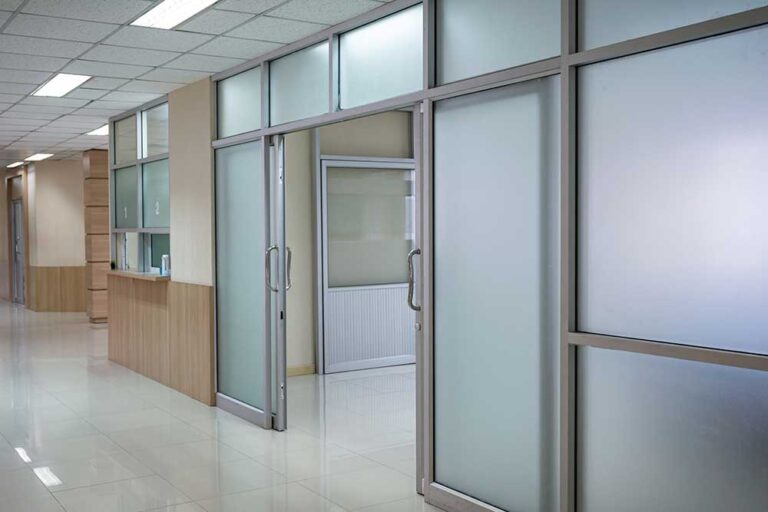
Sliding Glass Door Repair in Dubai: Rollers, Tracks, Locks, and When to Replace
Plan sliding glass door repair in Dubai with practical guidance on rollers, tracks, locks, seals, alignment, safety glass, and when replacement is the better route.
Read article
Double Glazed Window Replacement in Dubai: Heat Control Planning for Villas and Offices
Plan double glazed window replacement in Dubai with practical guidance on heat control, failed insulated glass units, aluminium frames, access, matching, and site coordination.
Read article
Acoustic Glass Partitions in Dubai: Office Fit-Out Planning Guide for Quiet Meeting Rooms
Plan acoustic glass partitions in Dubai offices with practical guidance on meeting-room privacy, glass build-up, seals, door details, ceiling gaps, and fit-out coordination.
Read article