
Curtain Wall Leak Repair in Dubai: Water Ingress Planning Guide
Plan curtain wall leak repair in Dubai with practical guidance on water ingress checks, sealants, gaskets, facade access, tenant coordination, and long-term maintenance.

Quick answer
Curtain wall leak repair in Dubai should start with a controlled water-ingress investigation, not a quick bead of sealant over the visible wet spot. Leaks can travel through pressure plates, gaskets, glazing pockets, frame joints, slab edges, failed insulated units, drainage paths, or adjacent facade details before showing up inside a tenant space.
For towers, offices, hotels, clinics, retail buildings, schools, and mixed-use properties, the practical route is to document the leak pattern, review the facade system, then coordinate facade glass replacement, curtain wall installation, rope access solutions, and aluminium or sealant repairs as one scope where needed.
Why curtain wall leaks are often misdiagnosed
The wet ceiling tile, stained wall, or puddle near a window is usually only the symptom. The entry point may be several metres away, especially on aluminium and glass facades with vertical mullions, horizontal transoms, drainage cavities, pressure plates, decorative caps, and slab-edge interfaces.
Dubai buildings also face heat movement, dust, humidity, coastal exposure in some areas, facade cleaning cycles, air-conditioning pressure differences, and occasional heavy rain. These conditions can expose weak gaskets, open mitres, aged silicone, blocked weep holes, loose caps, or previous patch repairs that no longer perform.
- Interior staining does not always mark the actual exterior entry point.
- Water can travel inside frame cavities before it appears indoors.
- Blocked drainage paths can make a sound glass panel look like the cause.
- Old surface sealant can hide the real defect and trap water in the system.
Start with leak history and tenant impact
A useful leak brief starts with timing. Note whether water appears during rain, after facade cleaning, during high humidity, when air-conditioning is running, or only after wind-driven rain from a certain direction. Photos and dates help the repair team understand whether the issue is weather-related, cleaning-related, condensation-related, or linked to a damaged panel.
Building managers should also identify affected rooms, tenant operating hours, sensitive equipment, ceiling access, flooring risk, and whether temporary protection is needed before the investigation. In commercial buildings, the repair plan has to protect people and operations while the technical cause is being found.
- Record dates, weather direction, cleaning activity, and leak duration.
- Photograph stains, puddles, wet frames, ceiling tiles, and nearby glass panels.
- Mark the floor, bay, gridline, room number, and exterior elevation if known.
- Flag tenant restrictions, after-hours access, and any urgent protection needs.
Inspect gaskets, sealants, drainage, and glass units together
Curtain wall leak repair should review the complete local system. External silicone, EPDM gaskets, pressure plates, cover caps, screw lines, setting blocks, weep holes, drainage slots, transom joints, mullion joints, and slab-edge seals can all affect water movement. Replacing one visible bead may not solve the leak if the drainage path remains blocked.
The glass itself also needs review. A cracked panel, failed insulated glass unit, loose bite, damaged spacer, delaminated edge, or mismatched replacement panel can allow water or condensation problems to continue. For panels that are cracked, fogged, unsafe, or no longer performing, combine leak repair planning with facade glass replacement preparation.
- Check perimeter silicone, gasket compression, frame joints, and cap condition.
- Clear and test drainage slots before assuming the glass panel has failed.
- Review insulated glass units for fogging, edge seal failure, cracks, or movement.
- Look for past patching that may have blocked designed water escape routes.
Access planning can decide the repair method
Some leaks can be checked from inside the building, but many curtain wall repairs need exterior access. The right access method depends on height, panel location, anchor points, podiums, roads, canopies, public areas, neighbouring tenants, and whether the work is inspection only or includes glass removal, resealing, gasket replacement, or cap work.
For high or difficult areas, rope access may be more practical than scaffold or a boom lift, but it still needs safety review, exclusion zones, building approval, and weather planning. Large panels, heavy replacement glass, and complex facade repairs may need lifting or additional handling beyond rope access alone.
- Confirm whether the leak area is reachable from inside, roof, balcony, BMU, rope, lift, or scaffold.
- Plan public protection below the facade before exterior work starts.
- Coordinate access permits, security, parking, loading areas, and working hours.
- Separate inspection access from replacement access when large glass may be involved.
Do not treat every leak as a silicone job
Sealant replacement is common, but it is not automatically the answer. A curtain wall is designed to manage water through controlled barriers and drainage. If the repair blocks a weep route, seals the wrong plane, or ignores frame movement, the leak can return or move to another bay.
A good repair method should state what is being fixed and why: failed perimeter seal, open frame joint, gasket shrinkage, blocked drainage, pressure plate issue, glass unit failure, aluminium movement, or interface defect with cladding, roof, balcony, canopy, or slab edge. This makes the repair easier to test and maintain later.
- Avoid cosmetic sealant over dirty, wet, or moving joints.
- Use compatible sealant where existing materials and facade exposure require it.
- Keep designed drainage paths open after repair.
- Test the area after repairs where access and building rules allow it.
When a wider facade maintenance plan is smarter
If one bay leaks because of age, poor previous repairs, gasket shrinkage, or repeated drainage blockage, neighbouring bays may be close to the same condition. A targeted repair can solve the urgent problem, but a building manager may still need a staged facade maintenance plan to reduce repeat callouts.
This is especially useful for hotels, offices, banks, schools, healthcare buildings, and retail properties where leaks disrupt operations. A planned programme can combine inspection, cleaning, resealing, gasket checks, glass replacement, and future aluminium and glass works before the next weather event exposes more weak points.
- Review repeated leaks across the same elevation or floor stack.
- Prioritize areas above reception, lobbies, guest rooms, clinics, and server rooms.
- Plan repairs around tenant hours, facade cleaning schedules, and access availability.
- Keep a photo record of repaired bays for future maintenance tracking.
What to send before requesting a leak repair quote
The fastest quote starts with practical information. Send interior leak photos, exterior elevation photos if available, the building name, floor level, affected room, date and time of the leak, weather or cleaning conditions, approximate panel location, access notes, and any old drawings or facade maintenance reports.
If the building has multiple leaks, group them by elevation and floor. For managed assets, it also helps to include permit requirements, preferred work hours, tenant contact rules, roof or BMU access notes, and whether the request is urgent leak stopping, investigation, replacement planning, or a scheduled maintenance package.
- Interior photos plus a marked-up floor plan or elevation if available.
- Leak timing: rain, cleaning, humidity, wind direction, or recurring unknown source.
- Building access notes, floor level, public-area risks, and working-hour limits.
- Details of previous silicone, gasket, glass, or aluminium repairs in the same area.
- Whether rope access, BMU coordination, scaffold, or inside access may be possible.
How Glass World can help
Glass World supports curtain wall leak investigation, facade glass replacement, rope access coordination, aluminium and glass works, glass fabrication, and planned facade maintenance across Dubai and the UAE. The team can review the leak pattern, inspect likely entry points, recommend a practical repair route, and coordinate replacement where damaged glass or facade components are part of the problem.
The next step is to share leak photos, location details, timing, access restrictions, and any available facade drawings. Glass World can then help move the issue from recurring water ingress to a clear repair plan with the right access, materials, and tenant coordination.
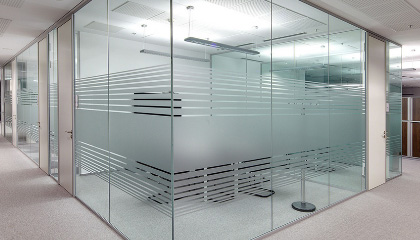
Clinic Glass Partitions in Dubai: Healthcare Fit-Out Planning Guide
Plan clinic glass partitions in Dubai with practical guidance on privacy, safety glass, doors, aluminium framing, cleaning, approvals, and live healthcare fit-out coordination.
Read article
Emergency Shopfront Glass Replacement in Dubai: Retail Breakage Planning Guide
Plan emergency shopfront glass replacement in Dubai with practical guidance on securing broken glass, matching panels, access, safety glass, mall coordination, and reopening faster.
Read article
Balcony Glass Railing in Dubai: Villa and Apartment Planning Guide
Plan balcony glass railing in Dubai with practical guidance on safety glass, fixing methods, handrails, waterproofing, maintenance, access, and villa or apartment coordination.
Read article