
Pool Glass Fence Repair in Dubai: Gate Alignment and Safety Guide
Plan pool glass fence repair in Dubai with practical guidance on self-closing gates, alignment, clamps, channels, safety glass, corrosion, and replacement decisions.
Quick answer
A pool glass fence needs prompt inspection when its gate does not close and latch by itself, a panel moves at the base, hardware is loose or corroded, glass is cracked or chipped, or gaps have changed. The repair must restore the complete barrier—not only improve its appearance—because gate movement, glass support, fixings, and surrounding surfaces work together.
Glass World supports swimming pool glass fences, balustrade systems, glass replacement, and railing work across Dubai and the UAE. Keep people away from an unstable or damaged section until a site assessment confirms a safe repair scope.
Treat gate faults as a priority
The pool gate should move freely, return from the required opening positions, and engage its latch without being pulled or pushed into place. A gate that remains open, rubs the floor, bounces away from the latch, or needs lifting can indicate worn hinges, incorrect spring tension, loose fixings, frame movement, or glass misalignment.
Check the gate from both sides and observe its full closing cycle. Record hinge movement, latch alignment, floor clearance, glass-to-glass gaps, handle condition, and whether wind or a sloping floor changes the result. Do not compensate for a dropped gate by forcing the latch into a poor position before the hinge and support condition is understood.
Inspect clamps, spigots, channels, and anchors
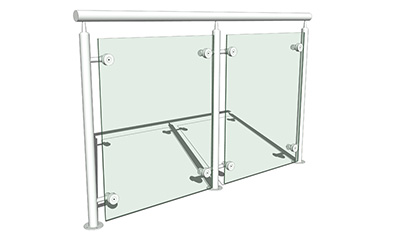
Frameless pool fencing may use spigots, base shoes, channels, clamps, posts, or a combination of supports. Movement can come from loose fasteners, damaged gaskets, corrosion, failed grout, cracked surrounding finishes, inadequate edge distance, or deterioration below a decorative cover where the defect is not immediately visible.
A proper survey should identify the system and inspect each support point, not only the visibly loose fitting. Tightening hardware without checking the specified torque, gasket condition, glass position, anchoring substrate, and waterproofing interface can damage the glass or hide a more serious fixing problem.
Assess cracked, chipped, or scratched glass
Cracks, impact marks, deep edge chips, damage around holes or notches, and contact between glass and metal require professional review. Toughened glass cannot be cut, drilled, or repaired after processing. A damaged panel normally needs accurate measurement and fabrication as a complete replacement.
The new pane must match the required glass type, thickness, dimensions, edge finish, hole positions, notches, tint, and support system. Where post-breakage retention is important, the project team may need to review laminated glass or another engineered build-up rather than automatically copying an unidentified existing pane.
Check gaps and climbable surroundings
Barrier performance depends on the completed layout. Measure gaps at panel joints, below the glass, beside walls, and around the gate. Changes can occur when a gate drops, a panel shifts, paving settles, landscaping is altered, or hardware is replaced with a different geometry.
Furniture, planters, steps, raised kerbs, pumps, decorative features, and stored items near the fence can also affect how the pool boundary works. A glazing contractor can repair the glass system, while the owner, consultant, or relevant authority should confirm the current barrier and access requirements for the property.
Plan for corrosion and outdoor exposure
Pool chemicals, irrigation, humidity, coastal air, cleaning products, and trapped moisture can stain or corrode metal fittings. Tea staining may be superficial, but pitting, swollen fasteners, seized hinges, cracked covers, and rust marks emerging from fixing points deserve closer inspection.
Replacement hardware should suit the glass, system, loading, and exposure rather than being selected by appearance alone. Review drainage around base channels, gaps beneath covers, sealants, grout, dissimilar-metal contact, and cleaning practices so new components are not installed into the same conditions that caused the original failure.
Protect waterproofing and finished surfaces
Repairs near a pool often interface with tile, stone, screed, waterproofing, drainage, and concrete edges. Removing a channel, spigot, or anchor can expose concealed defects or damage finishes. Before work starts, agree which party will open and reinstate finishes and how waterproofing penetrations will be treated.
Wet decks can also make glass handling difficult. Plan safe access, isolate the work zone, protect pool water and equipment from debris, and provide stable lifting and storage space. If a replacement panel cannot reach the pool through normal access, confirm gate widths, side passages, lift restrictions, landscaping, and any need for specialist handling.
Decide between targeted repair and replacement
Targeted repair may be appropriate when the glass is undamaged, compatible gate and fixing parts are available, the substrate remains sound, and adjustment can restore consistent alignment and operation. This can include replacing hinges or a latch, renewing gaskets, realigning a gate, or reinstating a limited number of supports.
Consider wider replacement when multiple panels move, anchors or channels have failed, corrosion is extensive, glass cannot be verified or matched, hardware is obsolete, gaps are inconsistent throughout, or previous repairs have not lasted. A new glass railing installation or coordinated pool fence system may be more dependable than repeated isolated fixes.
Test and document the completed repair
After repair, inspect every affected panel and fixing, then cycle the gate repeatedly from different opening positions. Confirm smooth movement, self-closing action, positive latch engagement, stable handles, consistent clearances, secure glass support, and no glass-to-metal contact. Covers and seals should be reinstated only after the underlying fixings have been checked.
Record the repaired locations, replacement parts, glass specification, and any areas that need follow-up. Give the property team a practical inspection schedule covering the gate, latch, hinges, glass edges, supports, sealants, corrosion, nearby surfaces, and changes to furniture or landscaping.
Cost factors and quotation checklist
Pool glass fence repair cost depends on the fault, number and size of panels, gate hardware, glass specification, support system, parts availability, concealed anchor condition, corrosion, tile or waterproofing work, access, protection, and whether specialist lifting is required. A gate adjustment is a different scope from replacing a large custom panel or rebuilding a failed base channel.
For an efficient quotation, share wide photos of the complete fence, close-ups of the defect and hardware, a video of the gate closing, approximate glass sizes, property location, fixing-system details, access constraints, and any known history of impact, leakage, settlement, or previous repair. A site survey is normally required before finalising safety-critical work.
Arrange a pool glass fence inspection in Dubai
Glass World can inspect pool fence glass, gates, clamps, spigots, channels, and related railing components; identify repair and replacement options; and coordinate custom glass fabrication where needed. Related glass replacement and glass fabrication services help keep measurement, processing, hardware coordination, and installation within one planned scope.
Send photos, a gate video, approximate dimensions, location, access details, and your preferred timing to begin. The survey can then confirm the immediate precautions, glass and hardware condition, substrate or finish interfaces, repair feasibility, and the information needed for a clear quotation.
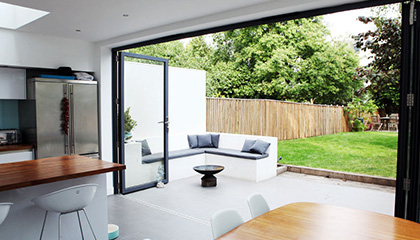
Aluminium Bifold Door Repair in Dubai: Rollers, Alignment, and Replacement Guide
Plan aluminium bifold door repair in Dubai with practical guidance on rollers, tracks, hinges, alignment, locks, seals, glass, and replacement decisions.
Read article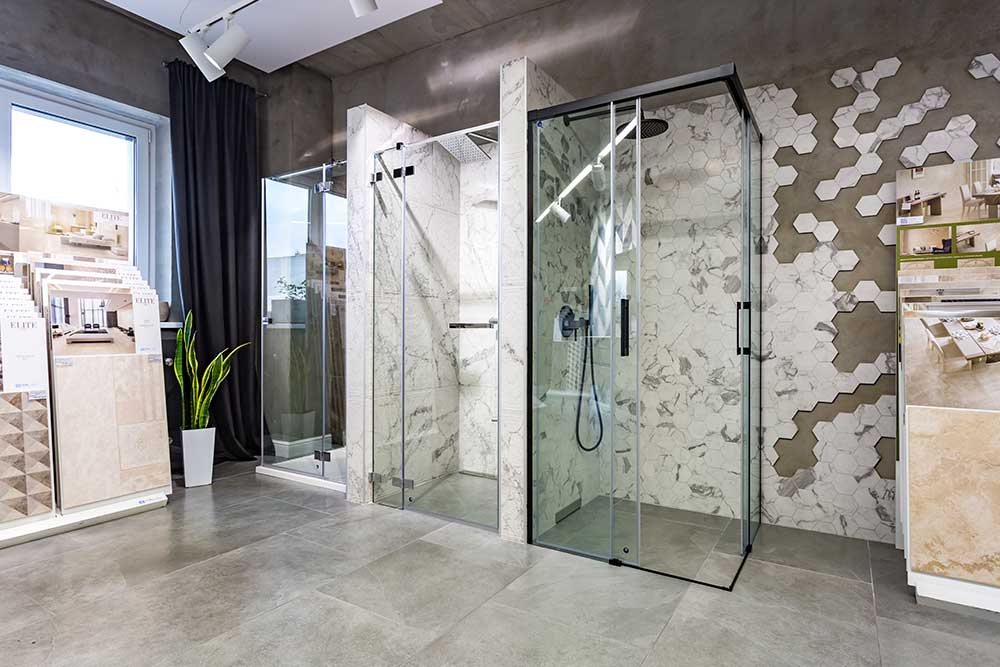
Walk-In Shower Glass in Dubai: Measurement and Installation Guide
Plan walk-in shower glass in Dubai with practical guidance on layouts, final measurement, safety glass, water control, hardware, installation, and quotation details.
Read article
Low-E Glass in Dubai: Window and Facade Heat Control Guide
Plan a low-E glass upgrade in Dubai with guidance on solar heat, insulated units, coatings, frame compatibility, replacement, appearance, and quotation details.
Read article