
Automatic Glass Door Maintenance in Dubai: Sensor, Track, and Safety Guide
Plan automatic glass door maintenance in Dubai with practical checks for sensors, tracks, rollers, operators, safety settings, glass panels, and high-traffic entrances.
Quick answer
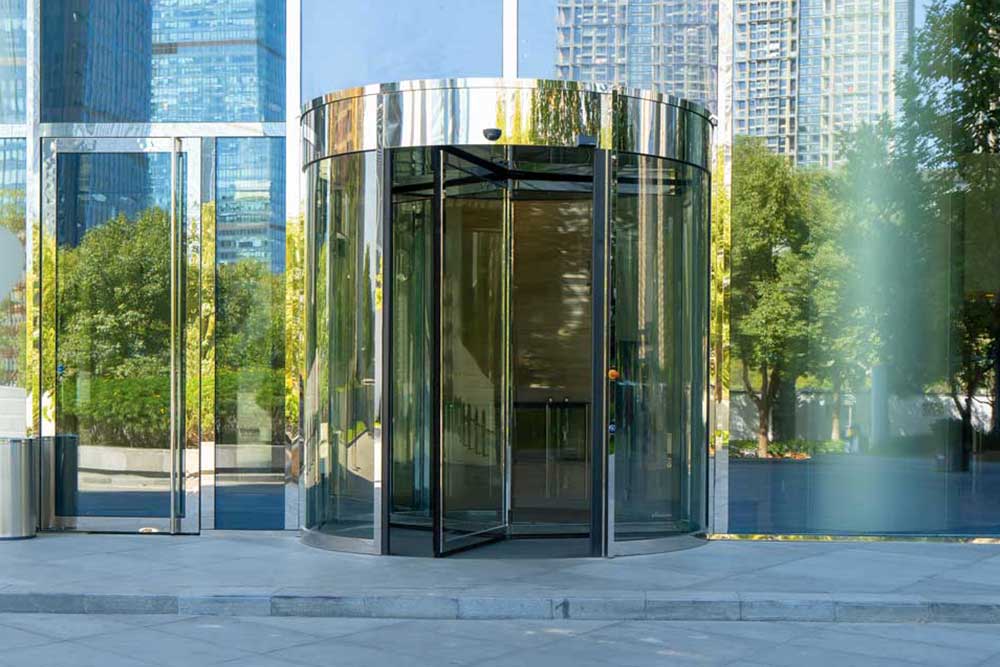
Automatic glass door maintenance in Dubai should check the complete entrance system: sensors, operator, rollers, track, guides, locks, safety settings, glass panels, aluminium framing, seals, power supply, and daily user behaviour. A door that opens late, closes too fast, drags, reopens randomly, or makes grinding sounds should be inspected before it becomes a safety or business-continuity issue.
For malls, clinics, hotels, offices, banks, showrooms, restaurants, and residential towers, the practical route is to coordinate automated door maintenance, automatic doors, door and window alignment, and any related glass replacement needs in one service plan.
Signs the door needs service
Automatic entrances often give early warnings before they fail. Staff may notice the door hesitating, opening only partway, closing on users too quickly, staying open longer than normal, making a new noise, or scraping at the floor guide. These symptoms can come from sensor drift, roller wear, dirty tracks, operator strain, frame movement, loose glass, power issues, or a safety setting that no longer matches the entrance traffic.
Dubai conditions add dust, heat, humidity, frequent cleaning, and heavy footfall to the normal wear cycle. A busy retail or clinic entrance may need a shorter maintenance rhythm than a low-traffic office door because the rollers, sensors, belts, guides, and safety edges work much harder every day.
- Door opens late, closes too fast, reopens repeatedly, or does not fully close.
- Grinding, scraping, rattling, belt noise, or vibration during movement.
- Sensor blind spots near the threshold, side screen, or approach zone.
- Glass panel movement, loose patch fittings, damaged seals, or frame rubbing.
- Track dust, damaged floor guide, worn rollers, or visible misalignment.
Start with sensor and safety checks
Sensors are the first safety layer for an automatic entrance. They should detect users approaching, standing in the doorway, using mobility aids, carrying bags, pushing trolleys, or moving from an angle. If the detection field is too narrow, too delayed, or affected by signage and reflections, the door can feel unpredictable even when the motor still works.
A maintenance visit should test opening activation, presence detection, closing speed, hold-open timing, obstruction response, emergency operation, and manual release where applicable. For healthcare, retail, hospitality, and banking sites, these checks protect customers and staff while keeping the entrance dependable during peak hours.
- Test both approach direction and standing detection at the threshold.
- Check whether floor mats, displays, decals, or sunlight interfere with detection.
- Confirm safe opening width, closing speed, hold-open time, and obstruction response.
- Review emergency release, manual mode, and access-control integration if installed.
Tracks, rollers, guides, and operators
Mechanical wear is common on automatic sliding glass doors because the moving panel cycles all day. Dust in the top track, damaged rollers, loose brackets, worn belts, misaligned guides, and strained operators can make the door noisy, slow, or unreliable. Cleaning alone may help, but a service check should confirm why the door is dragging before parts are replaced.
Where the entrance is part of a larger shopfront or building lobby, the team should also review the aluminium frame, side screens, threshold, floor level, and adjacent fixed glass. If the opening has shifted, replacing rollers may only provide temporary relief unless the alignment issue is corrected.
- Clean and inspect the running track, floor guide, rollers, belt, hanger, and stops.
- Check panel plumb, reveal gaps, lock alignment, and frame movement.
- Listen for operator strain that suggests excess friction or worn moving parts.
- Confirm that replacement parts match the door model and daily traffic load.
Glass and aluminium details matter
An automatic door is still a glass and aluminium system. Cracked door glass, chipped exposed edges, loose rails, damaged gaskets, failed locks, rubbing seals, and bent frames can all affect safety and movement. If glass damage is close to hardware or a moving edge, it should be reviewed promptly rather than treated as a cosmetic issue.
For replacement planning, confirm glass thickness, safety glass type, tint, manifestation, holes, rails, clamps, and hardware positions before fabrication. Related scopes may include shopfront glass systems, retail shopfront installation, or aluminium and glass works where the entrance is part of a wider frontage.
- Inspect exposed glass edges, door rails, locks, handles, decals, and seals.
- Review cracked, chipped, or loose glass before the entrance continues normal use.
- Check aluminium frame alignment, threshold condition, and side-screen stability.
- Use suitable safety glass for high-traffic entrance panels and sidelights.
Maintenance schedule for busy Dubai entrances
The best schedule depends on traffic, location, door type, exposure, and business risk. A retail mall entrance, hotel lobby, clinic reception, and bank branch may need planned checks more often than a private office entrance because downtime affects customers immediately.
A practical maintenance register should record service dates, symptoms, photos, adjustments, replaced parts, sensor settings, safety tests, and recommended next actions. This helps facilities teams budget for rollers, operators, glass panels, seals, locks, or full entrance upgrades before a breakdown becomes urgent.
- Weekly staff checks for unusual noise, slow response, dragging, or sensor issues.
- Monthly cleaning around tracks, guides, sensors, threshold, and glass surfaces.
- Quarterly professional checks for high-traffic retail, clinic, hotel, and bank doors.
- Immediate inspection after impact, forced entry, glass damage, water ingress, or repeated faults.
Planning work without disrupting operations
Automatic entrance work needs practical access planning. Shops and clinics may need service before opening, after closing, or during low-traffic periods. Hotels and offices may need temporary pedestrian routing, signage, floor protection, and coordination with security or facilities teams.
If the door must stay in use while parts are ordered, the service team should advise whether temporary operation is safe. Some faults can be managed for a short period with adjusted settings or manual operation, while cracked glass, unsafe sensors, failed locks, or loose moving panels may require restricting access until repair is complete.
- Confirm service timing, parking, loading, mall approval, permits, and security access.
- Plan temporary entry routes where the main entrance must be stopped.
- Protect floors, frames, signage, display areas, reception desks, and finished walls.
- Decide whether the door can operate safely while parts or glass are fabricated.
What to send before requesting a quote
A useful maintenance request includes a full photo of the entrance, close-ups of the operator cover, track, sensors, floor guide, glass panels, locks, and any visible damage. Send a short video if the door hesitates, scrapes, reopens, or makes noise because movement symptoms are easier to diagnose when seen in sequence.
Also include the property type, location, operating hours, urgency, access restrictions, door brand or model if known, and whether the issue affects customer entry, staff access, security, or air-conditioning. Clear information helps Glass World decide whether the job is an adjustment, part replacement, glass replacement, or a larger entrance review.
- Wide entrance photo plus close-ups of sensors, track, guide, operator, glass, and locks.
- Short video showing the fault from both sides of the doorway.
- Notes on timing: constant problem, peak-hour issue, after cleaning, or after impact.
- Location, floor level, working-hour limits, parking, lift access, and approval needs.
How Glass World can help
Glass World supports automatic glass door maintenance, glass replacement, door alignment, aluminium and glass works, retail shopfronts, and entrance planning across Dubai and the UAE. The team can inspect the door, identify likely failure points, adjust settings where appropriate, and recommend replacement parts or glass fabrication where needed.
The next step is to share photos, a short fault video, location details, operating hours, and urgency. Glass World can then help plan maintenance that keeps the entrance safe, smooth, and ready for daily traffic.
Glass Railing Maintenance in Dubai: Balcony and Stair Safety Guide
Plan glass railing maintenance in Dubai with practical checks for balcony glass, stair handrails, clamps, channels, seals, corrosion, cleaning, and replacement timing.
Read article
Glass Door Replacement in Dubai: Villa, Office, and Shop Planning Guide
Plan glass door replacement in Dubai with practical guidance on safety glass, hinges, rollers, locks, aluminium frames, access, measurement, and project timing.
Read article
Curtain Wall Leak Repair in Dubai: Water Ingress Planning Guide
Plan curtain wall leak repair in Dubai with practical guidance on water ingress checks, sealants, gaskets, facade access, tenant coordination, and long-term maintenance.
Read article