
Bathroom Mirror Replacement in Dubai: Custom Mirror Planning for Homes, Hotels, and Gyms
Plan bathroom mirror replacement in Dubai with practical guidance on custom sizing, edge finishes, moisture protection, fixing methods, lighting, safety, and quote preparation.
Quick answer
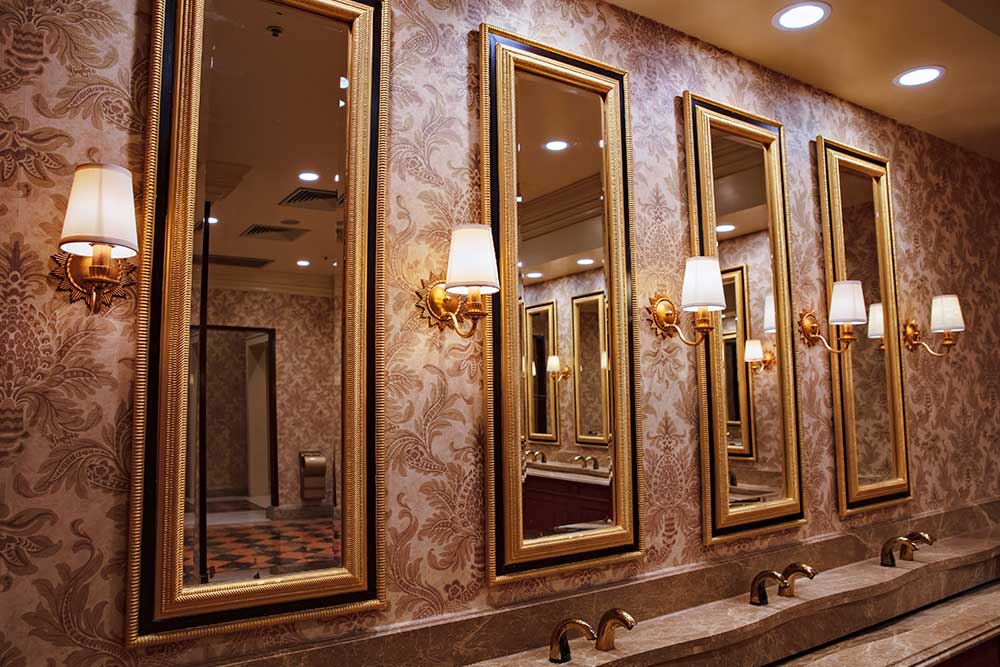
Bathroom mirror replacement in Dubai should be planned around the wall condition, moisture exposure, mirror size, edge finish, lighting, and fixing method. A mirror that looks simple on the wall can fail early if water reaches the backing, the glass is poorly supported, or the edge detail does not suit daily cleaning.
For apartments, villas, hotels, gyms, salons, clinics, and staff washrooms, the practical route is to treat mirror work as a small fabrication and installation project. Review decorative mirrors, beveled mirrors, tinted mirrors, and glass fabrication together before confirming the final size.
When a bathroom mirror should be replaced
Mirror problems usually start at the edges. Black spots, cloudy patches, peeling backing, loose corners, scratches, chips, stains, or movement in the panel are signs that the mirror is no longer only a cosmetic issue. In humid rooms, damage can spread behind the glass faster than expected.
Replacement is also worth planning during a bathroom renovation, vanity upgrade, hotel room refresh, gym fit-out, salon refurbishment, or apartment handover. A new mirror can improve light, make the room feel larger, and remove the maintenance problems created by an old panel.
- Black edge marks, cloudy backing, stains, or silvering failure.
- Cracked, chipped, scratched, loose, or unsafe mirror glass.
- A mirror that no longer fits a new vanity, lighting layout, or tile line.
- Poor fixing, visible adhesive failure, or movement when the mirror is touched.
- Outdated mirror shapes that do not match a refreshed bathroom or commercial interior.
Measure the wall before choosing the mirror
Accurate measurement is the biggest difference between a clean mirror replacement and a frustrating site visit. The installer needs the width, height, wall flatness, tile condition, nearby sockets, vanity position, tap clearance, ceiling height, and whether the mirror will sit above a splash zone.
Large mirrors need special care because small wall imperfections become visible across the reflection. For full-width vanity mirrors, gym mirrors, hotel washroom mirrors, and salon mirrors, check access routes, lift size, stair turns, and how the panel will be carried safely into the room.
- Measure the visible mirror size and the available wall space separately.
- Note tile edges, wall niches, cabinets, lights, shelves, sockets, and mixers.
- Check whether the mirror needs cut-outs, holes, notches, or shaped corners.
- Confirm lift, corridor, stair, and doorway access for oversized panels.
Choose the right edge finish and mirror type
Edge finish changes both the look and the durability of a mirror. Polished edges are clean and simple for most bathrooms. Beveled edges add a premium frame-like detail without adding a separate border. Tinted and antique mirror finishes suit hospitality, salons, feature walls, and warmer luxury interiors.
The decision should match the room, not only the sample. Bright bathrooms often suit clear mirror with clean polished edges. Hotel suites, powder rooms, restaurants, and dressing areas may benefit from antique mirror, tinted mirror, or a beveled detail that feels more designed.
- Use polished edges for a simple modern bathroom mirror.
- Use beveled edges where the mirror should look more refined.
- Use tinted mirror for warmer interiors, vanity zones, and hospitality details.
- Use antique mirror mainly for feature walls, powder rooms, lounges, and boutique spaces.
Moisture protection matters in Dubai bathrooms
Bathrooms combine humidity, cleaning products, air-conditioning, steam, and water splashes. If water reaches the mirror backing or remains trapped around edges, staining and backing failure can appear even when the front surface still looks clean.
A better replacement plan reviews ventilation, edge exposure, splash direction, sealant details, backing material, and cleaning routine before installation. This is especially important for villas and apartments, hotel bathrooms, gym showers, spa changing rooms, and staff washrooms with heavy daily use.
- Avoid leaving exposed mirror backing near wet edges.
- Keep harsh cleaners and abrasive pads away from mirror edges.
- Review sealant and support details where water can reach the perimeter.
- Use a fixing method that suits the wall surface and mirror size.
Lighting, sockets, and accessories should be coordinated early
Bathroom mirror replacement often interacts with lights, shaver sockets, robe hooks, shelves, cabinets, towel rails, and vanity mixers. If these details are measured late, the mirror may need awkward cut-outs or a size change after fabrication.
Backlit mirrors, wall lights, and full-height panels need even more coordination. The glass team should know whether the mirror is purely reflective, part of a lighting feature, or aligned with joinery and tile lines. This helps avoid a mirror that technically fits but looks slightly off after installation.
- Confirm light positions before approving the mirror height.
- Mark sockets, switches, shelves, cabinets, and tap projection.
- Decide whether the mirror should align with vanity width, tile joints, or wall edges.
- Share elevation drawings where a designer, contractor, or hotel team is involved.
Commercial mirror replacement needs a sharper brief
For hotels, gyms, salons, clinics, offices, schools, and retail spaces, mirror replacement should include timing, access, safety, repeat sizing, and room availability. A hotel may need many identical vanity mirrors. A gym may need large wall panels. A salon may need mirrors that support lighting, styling chairs, and frequent cleaning.
Commercial projects should also plan for working hours, lift protection, floor protection, waste removal, tenant disruption, and whether broken or loose mirrors need temporary safety action before final replacement.
- List how many rooms, washrooms, stations, or wall areas need mirror work.
- Group identical sizes to simplify fabrication and installation planning.
- Confirm whether work must happen after-hours or in phases.
- Flag any cracked, loose, or exposed-edge mirrors that need urgent attention.
What to prepare before requesting a quote
A useful mirror quote starts with photos and measurements. Send a full wall photo, close-ups of damaged edges or backing, approximate width and height, room type, property location, floor level, and whether the existing mirror needs removal.
If the mirror is part of a broader bathroom or interior upgrade, share tile, vanity, lighting, and joinery details early. Glass World can then connect mirror replacement with glass replacement, decorative glass options, and fabrication details instead of quoting from one cropped photo.
- Full wall photo and close-up damage photos.
- Approximate mirror width, height, shape, and edge preference.
- Notes on wall material, tiles, vanity, sockets, lights, and accessories.
- Property type, location, floor level, access limits, and preferred timing.
- Whether removal of the old mirror and disposal support are required.
How Glass World can help
Glass World supports mirror replacement, decorative mirror supply, custom glass fabrication, glass replacement, and installation planning across Dubai and the UAE. The team can review whether the requirement is a simple bathroom mirror, a custom beveled mirror, a tinted feature mirror, a hotel-room replacement package, or a larger commercial mirror wall.
The practical next step is to share photos, approximate sizes, location, access details, and the finish you want. Glass World can then guide the mirror toward the right size, edge, fixing, and installation route.
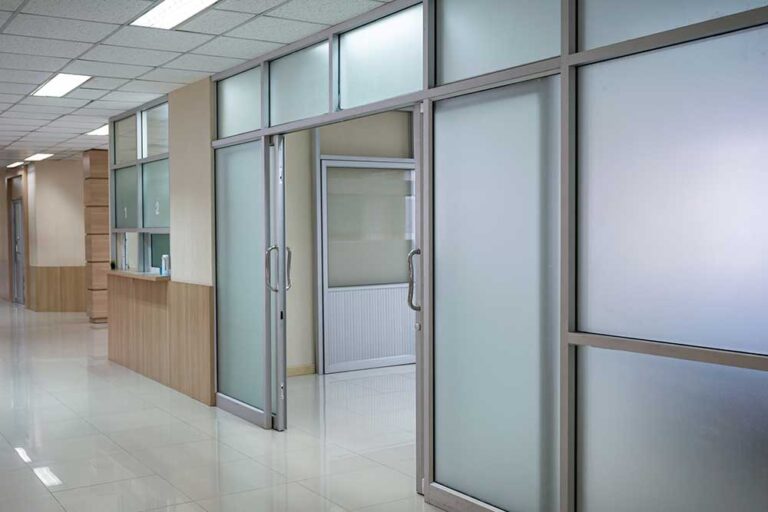
Aluminium Window Repair in Dubai: Handles, Hinges, Seals, and Glass Replacement
Plan aluminium window repair in Dubai with practical guidance on handles, hinges, locks, seals, frame alignment, water leakage, glass replacement, and when a full new window is smarter.
Read article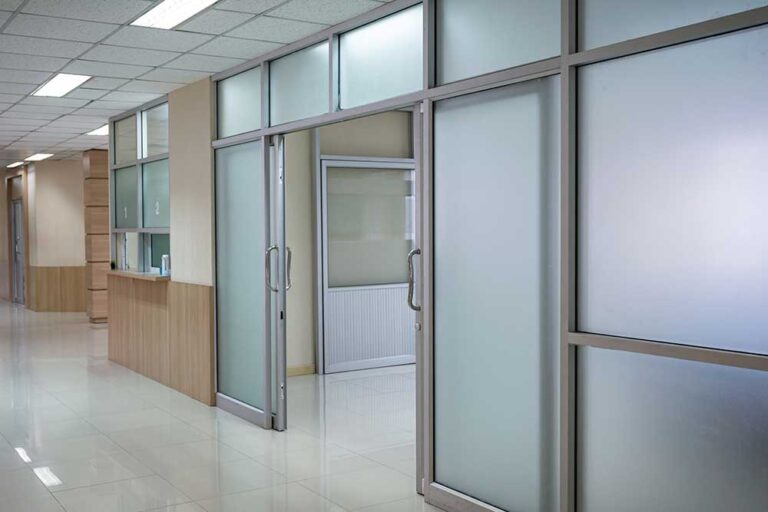
Sliding Glass Door Repair in Dubai: Rollers, Tracks, Locks, and When to Replace
Plan sliding glass door repair in Dubai with practical guidance on rollers, tracks, locks, seals, alignment, safety glass, and when replacement is the better route.
Read article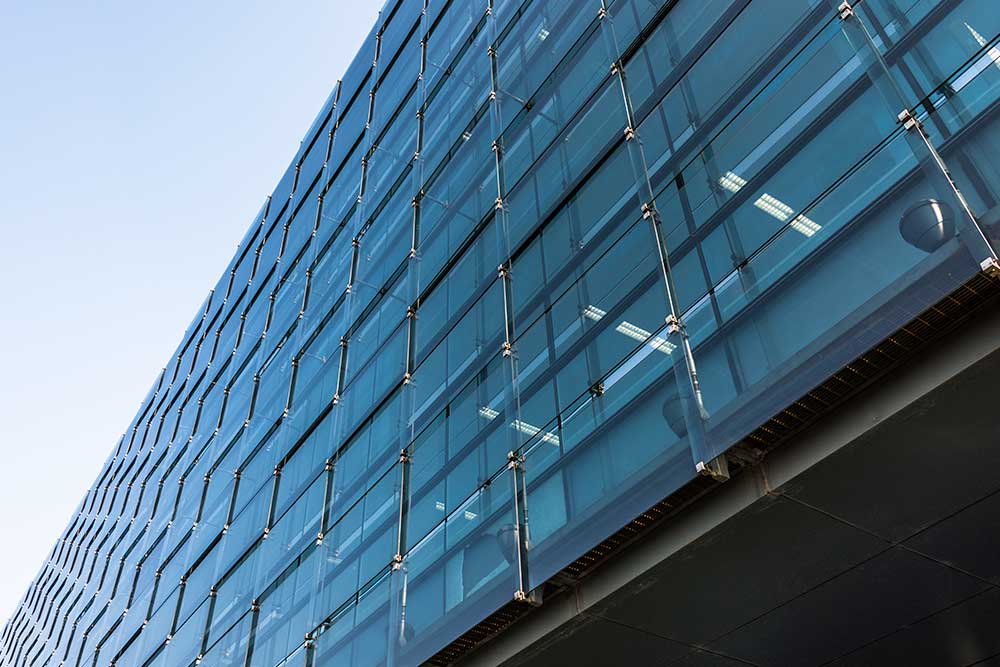
Double Glazed Window Replacement in Dubai: Heat Control Planning for Villas and Offices
Plan double glazed window replacement in Dubai with practical guidance on heat control, failed insulated glass units, aluminium frames, access, matching, and site coordination.
Read article